
KumquatFortunella japonica
Kumquat
Why Brazil?
Although native to parts of Asia, kumquat trees enjoy the humidity and mild weather of southern Brazil, which has a suitable climate for citrus growing. It is ideal for growing high quality citrus fruit, and consequently, producing some of the finest citrus essential oils.
How Does It Work?
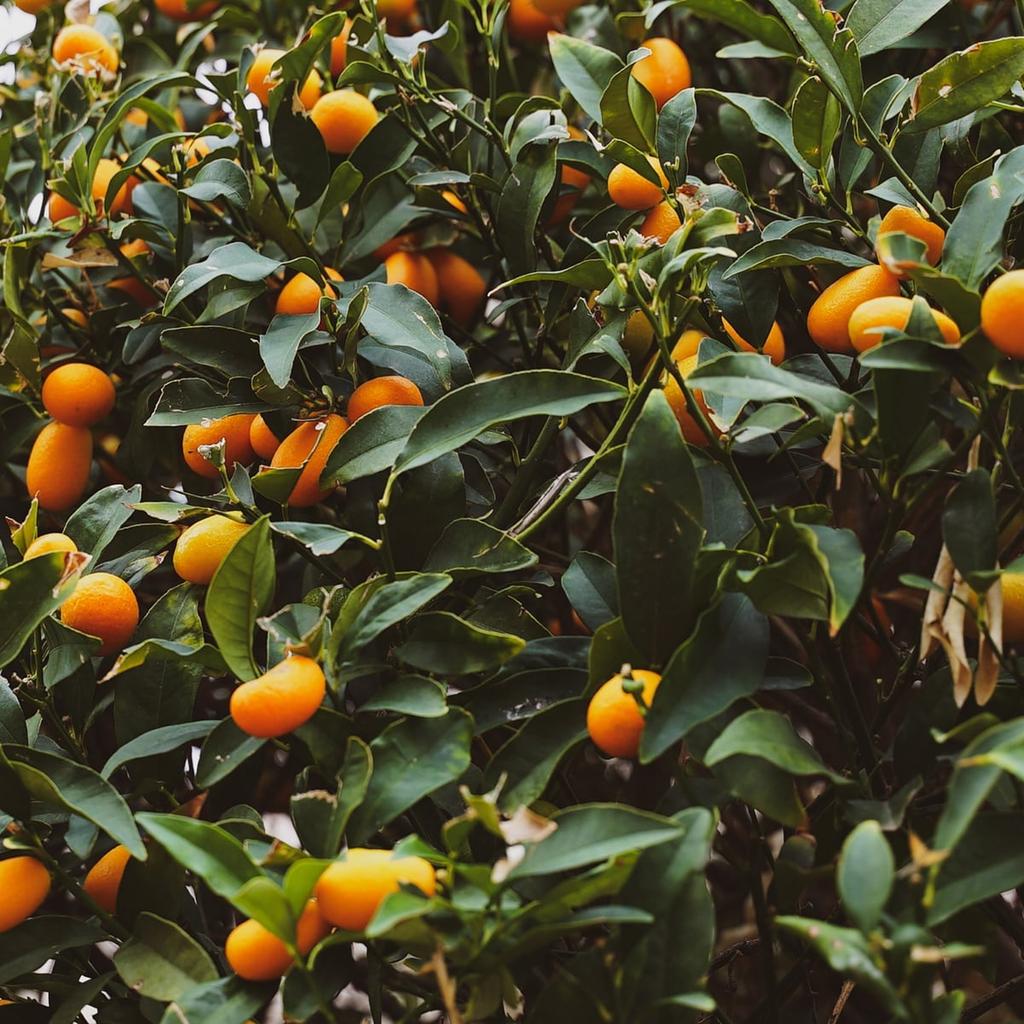
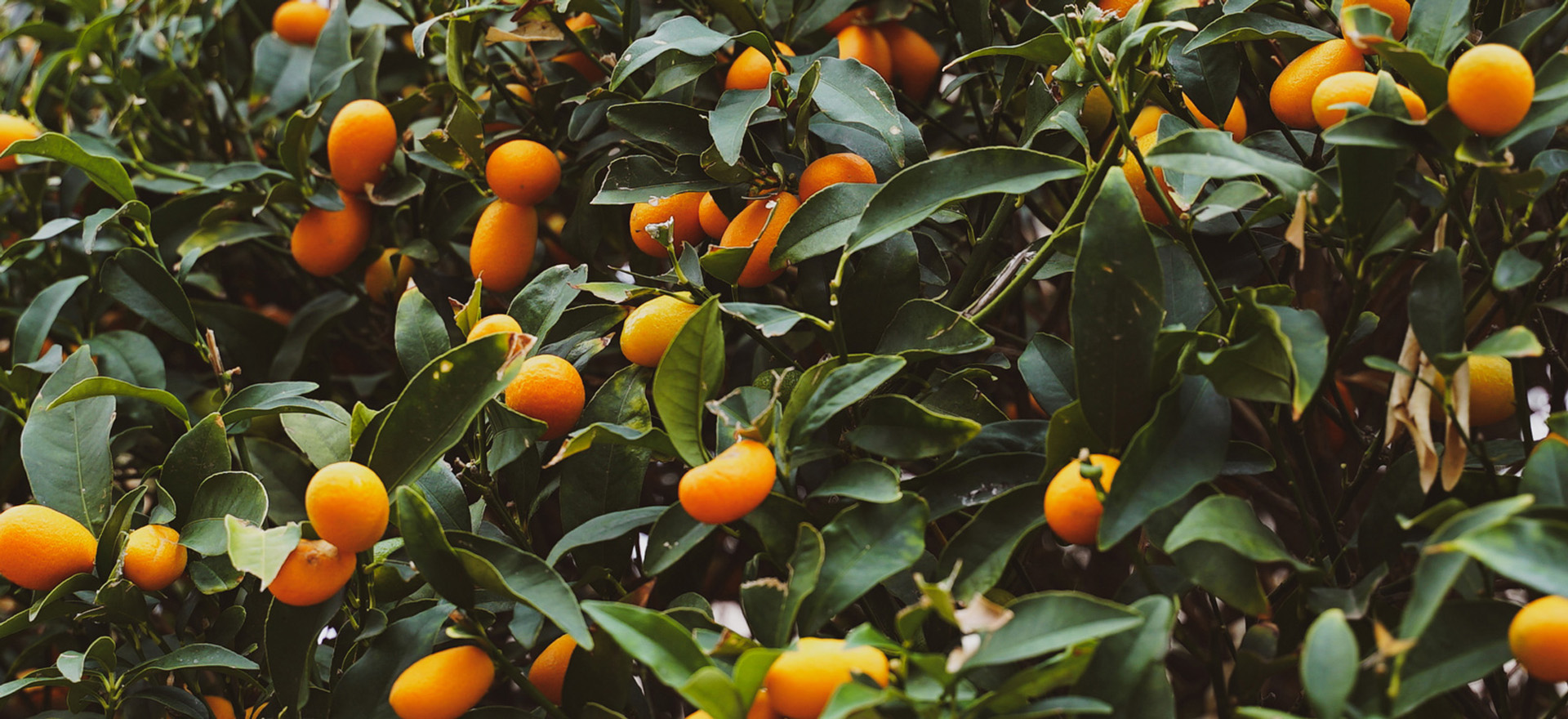
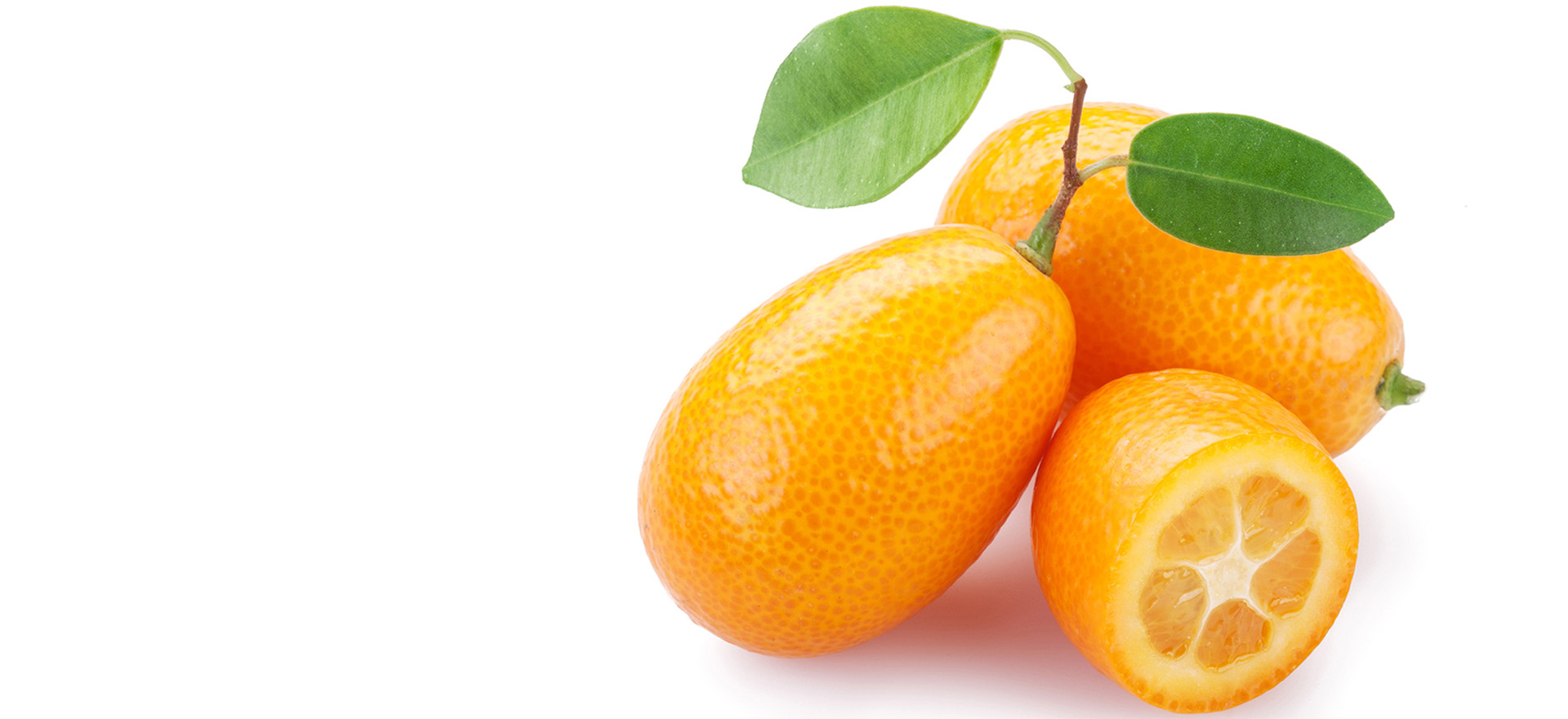
The kumquat tree is short, almost shrub-like, and evergreen. Similar to other citrus trees, the leaves are dark-green, and the flowers are white. The fruit of the tree often grows in clusters. The kumquat fruit is often described as a small orange; it is about the size of a large olive. The peel is sweet, the inside is sour, and the whole thing is edible. The essential oil is cold-pressed from the rind (peel) of the fruit.
Key Benefits of Kumquat
Like other citrus oils, Kumquat is full of limonene. Limonene is primarily known for its powerful cleansing and purifying qualities. These benefits are versatile as its properties are strong enough to help clean surfaces but gentle enough to be used safely on the skin to promote a healthy-looking and clear complexion. It also offers internal benefits; for example, one study showed that Kumquat oil may offer a boost of antioxidants when taken internally.
Why Kumquat is a Favorite
Citrus oils are also incredible for the mood. Diffusing or inhaling from the hands can boost your energy and positive feelings. Additionally, Kumquat has calming properties on the nervous system.