
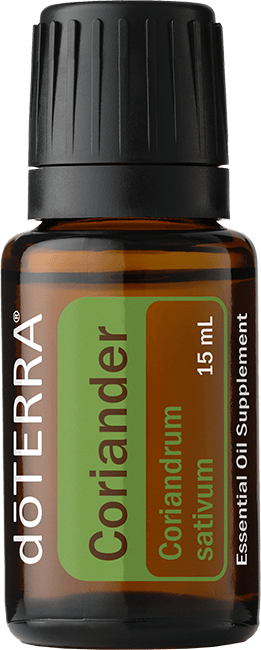
Coriander
Why Moldova?
Moldova has ideal natural and climatic conditions for growing aromatic plants, as well as exceptionally fertile soil. It holds a long-standing tradition in essential oil distillation, which enables the cultivation of high-quality raw materials and sustainable sourcing of natural essential oils.
Moldovan ethnobotanical surveys, compiled in the nineteenth century but referencing earlier traditions, confirm coriander’s use in Bessarabia for culinary and medicinal purposes since at least the medieval period. It was ground into oils or pastes for digestive remedies and ritual use, as noted in Byzantine-influenced herbals adopted by Moldovan monks. These texts describe coriander as a common garden crop in riverine areas like the Răut valley.
Along the winding rivers of Moldova, coriander (Coriandrum sativum) has long been more than a spice. It is a symbol of tradition, healing, and community. Centuries before modern distillation, Moldovan farmers and monks tended coriander gardens near river valleys like the Răut, where the rich soil and gentle climate nurtured thriving plants.
Historical records from monastic herbals and early ethnobotanical notes tell of coriander’s deep cultural role in Bessarabia. The seeds were crushed and mixed with honey or wine to calm the stomach and ease digestion, echoing the herbal wisdom passed down from Byzantine and Slavic healers. Villagers often used coriander infusions as part of household blessings and seasonal rituals, believing the herb’s fragrance brought both physical relief and spiritual balance.
In those days, coriander fields colored the Moldovan countryside, much like they do today. They were cultivated by families who understood the land and its gifts. The seeds, once dried and pressed for oil, were used in cooking, medicine, and even incense. Over generations, coriander became part of the region’s rhythm, connecting health, harvest, and heritage.
Today through Co-Impact Sourcing® partnerships, that legacy continues. Farmers in Moldova still grow coriander using traditional practices, hand-harvesting the seeds that yield pure, aromatic Coriander essential oil. It is a story of continuity, where ancient knowledge meets modern sustainability, and every drop of oil carries the memory of the Moldovan soil and the people who have cared for it for centuries.
The Plant
Coriander and Cilantro essential oils come from the same plant, Coriandrum sativum L. Cilantro oil is produced from the leaves, while Coriander oil is produced from the seeds. Both are extracted via a steam-distillation process.
The plant is an annual herb with small green, feathery leaves. It produces pale pink or white flowers that blossom in clusters and can grow up to 20 inches high. It is planted between September and November for a harvest at the end of July or beginning of August. It can also be planted between February and March for a harvest in August as well.
The plant has relatively low nutrient demand and can help balance soil fertility. It does not deplete the soil as much as technical crops and traditional agricultural industry crops (corn, sunflower, wheat, and so on). It allows the soil to recover when rotated after nutrient -intensive crops.
Coriander’s strong aroma repels certain pests, acting as a natural deterrent. It also disrupts the life cycles of soil-borne pathogens that affect other crops, reducing disease buildup in the soil. Moreover, when left to flower, Coriander attracts beneficial insects. It supports the health of the broader ecosystem. By integrating coriander into crop rotation, farmers reduce reliance on chemical input, enhance soil health, and promote sustainable yields.
Seeds used for Coriander oil production are dried before getting loaded into the crusher. The crushed seeds are then loaded into the stills for steam distillation. The oil yield from distillation ranges between 1.3–1.8%. Meaning to produce 15 mL of Coriander essential oil at an average yield of 1.55%, it takes about 1.85 pounds of crushed seeds.
The Impact
Two of the key ingredients in DigestZen—fennel and coriander seed—come from a quiet, rural commune in Moldova. Here, many young adults feel limited in their opportunities and often leave their homes in search of work at the capital.
However, our sourcing partner envisioned a different future. They invested directly into this beautiful community by building a state-of-the-art distillery, training and upskilling local talent, and creating a strong farming network. These efforts are generating hope, stable incomes, and meaningful opportunities that make agriculture a viable and appealing option for the next generation.
Much can be said about developing a local team to bring the vision of the distillery to life. Our supplier brought together many individuals, including the current managing director. With his background in construction, he brought significant experience to tackle issues that came up with building the distillery on land where there used to be an abandoned recreational camp. He’s since learned quickly and deeply the range of details required to produce high-quality essential oils like Coriander. Our supplier has emphasized that the value of pure and natural essential oil is not only a result of sourcing the best botanical ingredients, but it’s also sourcing the most trustworthy individuals to continue the legacy of these prized products.
The relationship with doTERRA has allowed our sourcing partner to guarantee firm orders with farmers, giving them peace of mind with guaranteed purchases of their products and allowing them to plan for future crops with confidence. Our sourcing partner provides farmers with quality planting materials and shares experience and expertise in the cultivation of this plant to help with better productivity.
This transformation was witnessed through the story of a young man named Victor, who—after years of working abroad—returned home because of a new role created through this partnership. After agronomy training to support local farmers, he now sees opportunity and a clear path forward.